The Best Ways to Store Small Amounts of Breast Milk
When you pump multiple ounces a day, storing your breast milk in traditional milk storage bags is a no-brainer.
But if you’re like me and you pump less than an ounce at a time (and sometimes only every few days), it quickly becomes impractical. Using a full storage bag for 0.5–1 oz feels wasteful, takes up freezer space, and somehow makes pumping feel more frustrating than it needs to be.
This also comes up a lot with the moms I work with, who:
Have a smaller milk storage capacity
Are combo feeding
Are pumping occasionally
Give smaller bottles and don’t want to thaw 5–6 ounces at a time
Since I’ve been pumping small amounts, I’ve been experimenting with different option. There are effective solutions for storing breast milk in smaller quantities that save freezer space, reduce bag costs, and make using your milk much easier.
Smaller-Quantity Breast Milk Storage Options
Souper Cubes MyMilk Trays
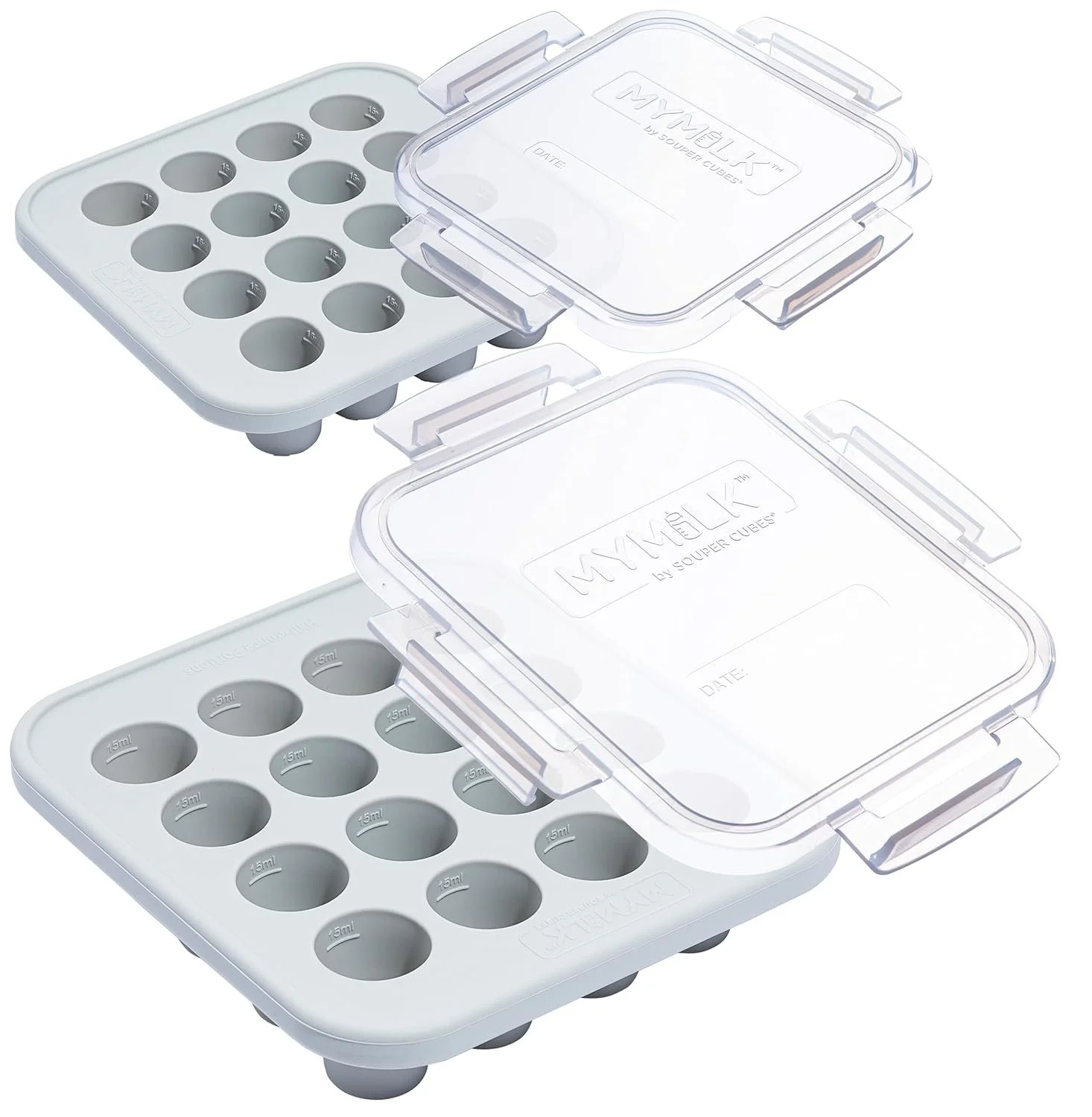
These are one of my favorite options and the ones I recommend most often. Souper Cubes has some amazing freezer storage solutions for freezer meals, and I’ve loved the MyMilk trays since they released them several years ago.
They’re specifically designed for breast milk, with measured compartments (½ oz each - a total of 8 ounces per tray), a sturdy lid, and silicone that pops milk out easily once frozen. They stack nicely and make it very easy to pull exactly the amount you need.
This is an especially good option if you:
Pump small amounts consistently
Want very clear portion sizes
Like things organized and tidy
Are combo feeding and using smaller amounts of breast milk per feed
Once frozen, the cubes can be transferred into a labeled freezer bag for longer-term storage.
The Boob Cube
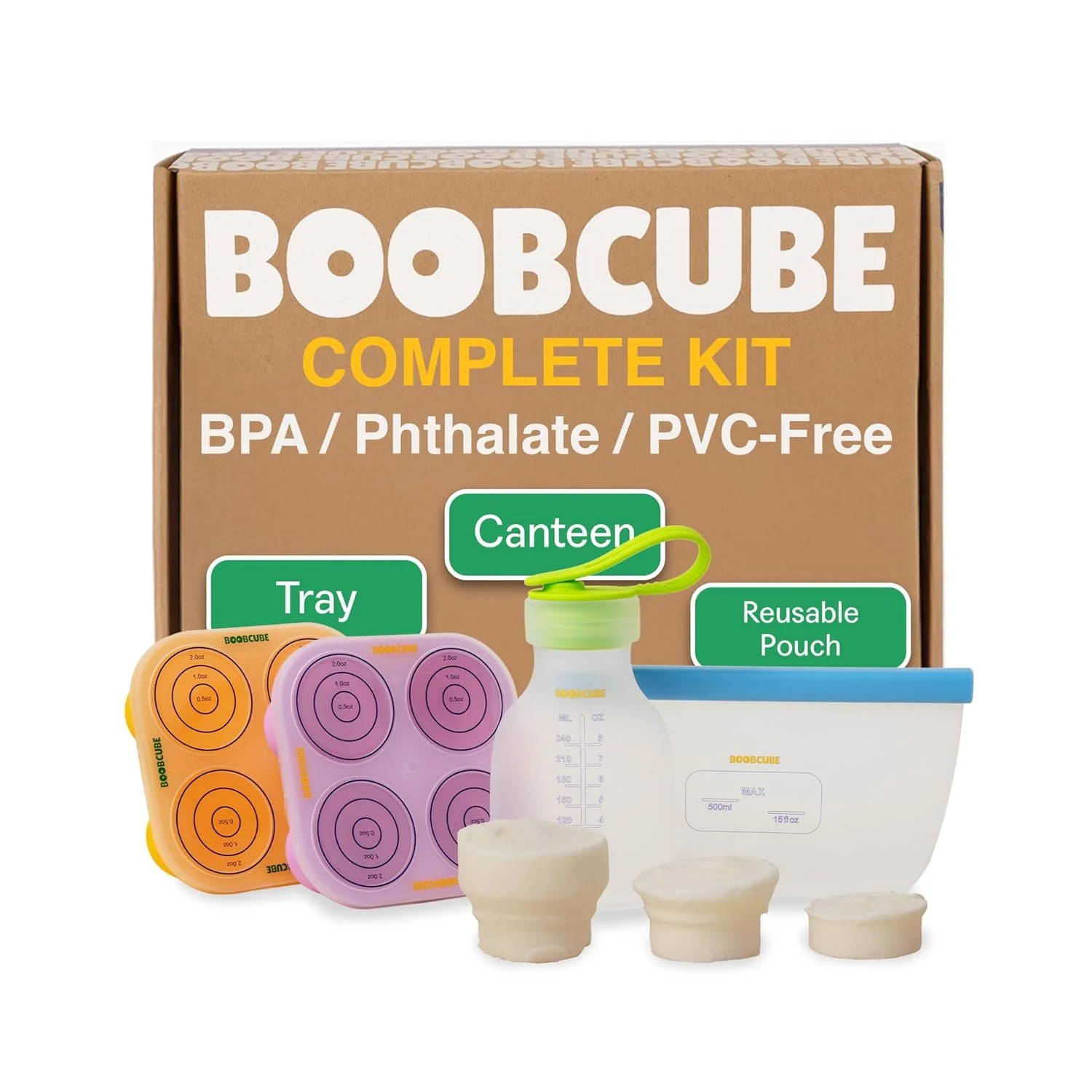
The BOOBCUBE company has a few different options designed specifically for freezing breast milk in small, usable portions.
First, there is the complete kit. This comes with two trays that can hold upto two ounces (and there are markers on each slot for easy measuring of .5, 1 ounce, and 1 ounce), a canteen that you can pump directly in (which is compatible with popular pumps, such as Spectra S1/S2 and the Motif Luna and can be purchased separately), and then a silicone bag for either storing larger amounts of milk or the frozen milk afterward.
The other option they have is “The Drop Tray”. This is a silicone tray that has sixteen slots, each of which is .5 ounces. They are designed to prevent freezer burn and to be able to easily pop out the milk.
This is a good option if you like:
Modular systems
Uniform cubes
Easy portion control
Silicone Baby Food Containers
These are technically made for baby food, but they work really well for breast milk.
I’m talking about the silicone trays with multiple rounded compartments (usually 10–12 sections). They’re flexible, freezer-safe, and widely available.
Why I like them:
Budget-friendly
Easy to find
Multi-purpose (milk now, food later)
Just be sure to note the approximate volume of each section so you know how much milk you’re freezing per portion. Here are a few options with good reviews on Amazon:
Water Bottle Ice Cube Trays
These are the long, skinny ice cube trays designed to fit into water bottles, and they’re often the cheapest option.
Some are marketed specifically for breast milk, but many standard versions work just fine as long as they’re food-grade and freezer-safe.
Pros:
Very affordable
Space-saving
Great for small amounts
Cons:
Less precise measurements
Not as sturdy
For many families, this is a great starting point that doesn’t break the bank!
How to Store Milk After It’s Frozen
One of the biggest questions I get is: “Okay, but what do I do once the milk is frozen?”
Here are your best options:
Transfer to a labeled freezer bag
Once the milk cubes are fully frozen, pop them out and store them together in a freezer bag. Label the bag with the earliest pump date.Keep cubes grouped by date
If you’re freezing frequently, try to group cubes from similar dates together so you’re rotating milk correctly.Store flat and consolidated
This keeps your freezer organized and makes it much easier to grab what you need without digging.
The goal is always the same: protect the milk, label clearly, and make it easy to use.
Reminders for Breast Milk Storage
A few quick but important reminders I share often:
Always label milk with the date pumped
Use the oldest milk first
Frozen milk is best used within 6 months (up to 12 months is acceptable in a deep freezer)
Avoid storing milk in the freezer door if possible
Keep milk sealed to reduce odor absorption
And remember—small amounts of milk are still incredibly valuable. There’s no minimum amount that “counts.”
How to Reheat Breast Milk
When it comes time to use your frozen milk cubes:
Place cubes in the fridge to thaw overnight or
Warm gently using a bowl of warm water
Avoid microwaving breast milk. It can create hot spots and degrade beneficial components.
Once thawed:
Use within 24 hours if kept in the fridge
Gently swirl to recombine fat (don’t shake)
If you’re combining thawed milk with fresh milk, always cool the fresh milk first.
If pumping small amounts has ever made you feel like what you’re doing “isn’t enough,” I want you to hear this clearly: it matters. Small systems like these make pumping more sustainable, and sustainability is what actually protects milk supply in the long run.
Feed the baby, not the freezer.