Annabella Pump Review: From an IBCLC + Mom of 4
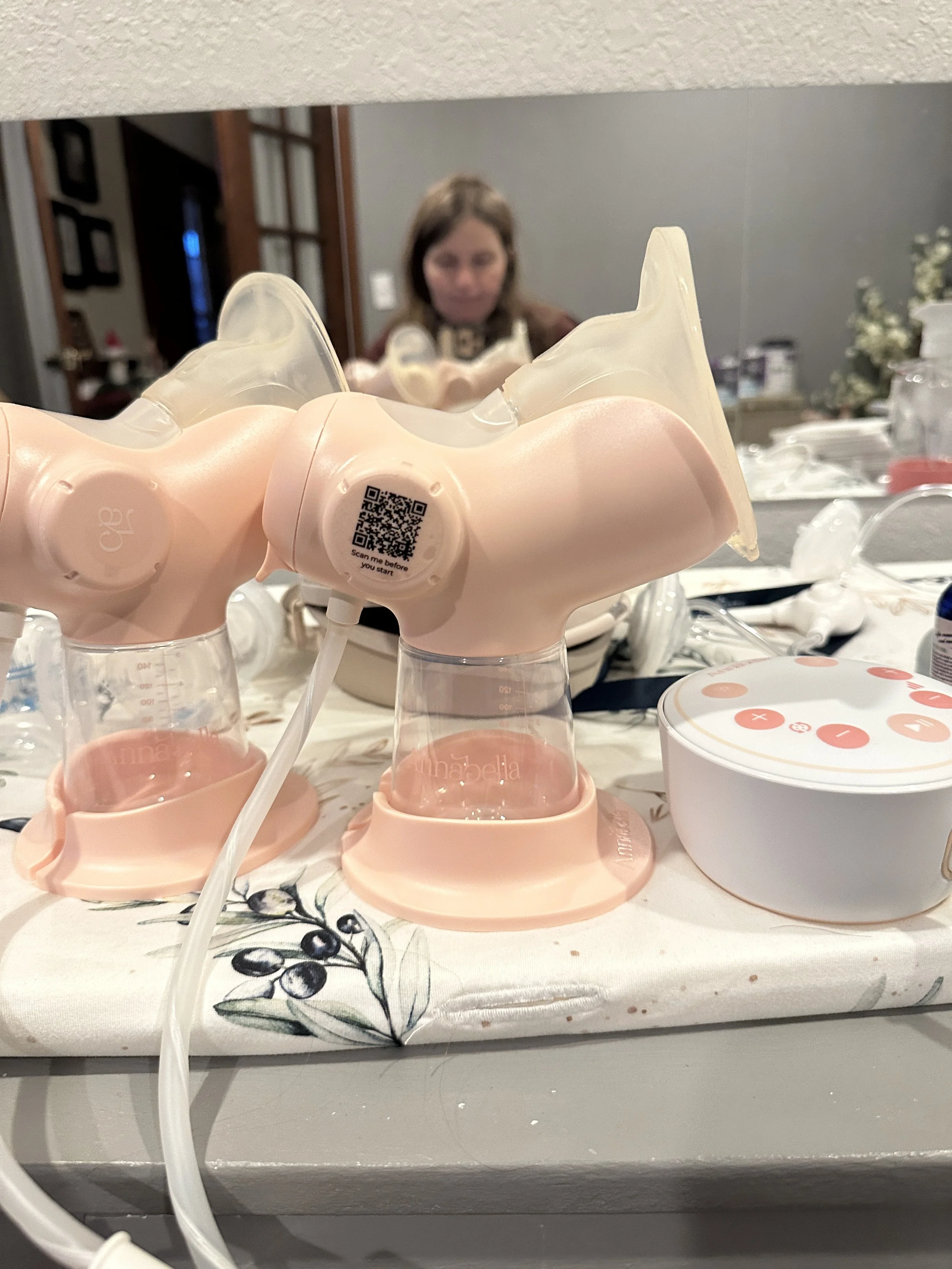
Choosing a breast pump is a big decision - more so than most people realize. The Annabella breast pump is unlike any other pump on the market, and it’s caused a lot of conversations. In this review, I share my initial thoughts before trying it, how I feel about it now that I’ve used it with my own child, and hopefully, it will help you decide if it’s right for you! BFMAMA10 will save you 10% when you purchase through Annabella’s website.
Annabella Pump Review: From an IBCLC + Mom of 4
If you’ve been in the pumping world for even five minutes, you’ve probably heard people talk about the Annabella pump.
This pump is controversial. Some moms swear it increased their supply. Other voices insist it’s a terrible option.
Even my midwife asked me what I thought about it when she was lamenting about the Willow Go that she was using while we were chatting.
For a long time, I just repeated what other professionals were saying and didn’t have much of an opinion myself - I really haven’t had any clients use it. It honestly seemed too different to me, and the flange situation seemed odd. Annabella sent me the pump a year ago, but it wasn’t until recently that I could try it.
But after testing it myself, I can finally give a review based on my experience, my expertise as an IBCLC, and how this pump actually performs. While I was sent the pump to try out, I was under no obligation to give a positive review.
If you do decide this pump is for you, you can use the coupon code BFMAMA10 for 10% off the Annabella website.
What Makes the Annabella Pump Different?
Before I share how it actually worked for me, it’s helpful to understand what makes this pump different from other pumps on the market.
The Annabella isn’t built like a Spectra, a wearable pump, or really any other pump out there. It has a different approach to its mechanics, and how it draws milk out.
1. Tongue-Simulating Technology
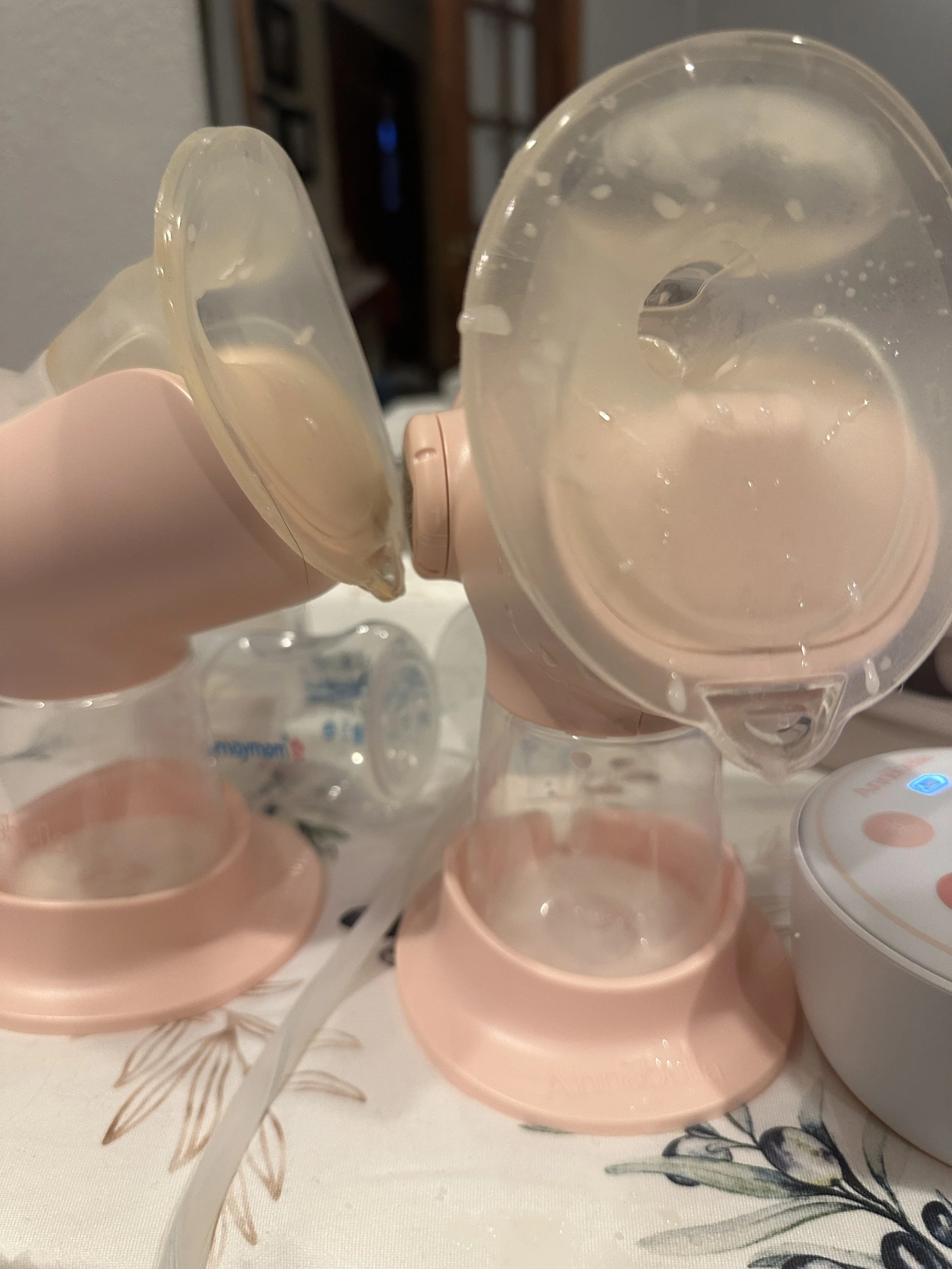
This is their signature feature that makes it different than other breast pumps. Instead of just pulling with suction, Annabella uses a silicone “tongue” mechanism designed to mimic the way a baby’s tongue moves during nursing - compression + suction.
They claim this:
Encourages oxytocin and prolactin release
Mimics natural suckling
Can increase milk expression by up to 50% on average
Helps moms get milk flowing more comfortably
Whether you see those exact numbers or not depends on the person, but the mechanism is entirely different from that of traditional pumps.
2. Adjustable Breast Shield Sizes (Not Inserts)
This is what initially made me a little wary about the pump. The Annabella doesn’t use inserts or standard flange sizing. Instead, each breast shield is adjustable within a size range. The flagne it comes with has adjustments to fit between 18 and 25, but you can purchase additional flanges that fit for sizes 25-28 and 15-18mm.
Each flange can be adjusted independently by turning the knob on top, which changes both the shield opening and the tongue height.
This is VERY different from traditional flange fitting. I was nervous about this because I am a size 12mm in a regular flange, which is well below what they offer. However, I have had no discomfort using level 4 on the flange for 18 and 25 and had great milk flow. I’d be curious to try the 15-18mm flanges!
3. 9 Suction Levels & Multiple Tongue Speeds
The pump has:
9 suction levels
Multiple tongue speeds
Stimulation + expression modes
A “comfort” style feel from the silicone shield
You can control each side independently, which I wish more pumps would do.
4. Portable, Lightweight, and Quiet
According to their product page, the pump features:
A quiet motor - though the toungue technology has a different sound that may be overstimulating for some
Lightweight body
Up to 2 hours of wireless use on a full charge
A built-in night light for nighttime pumping
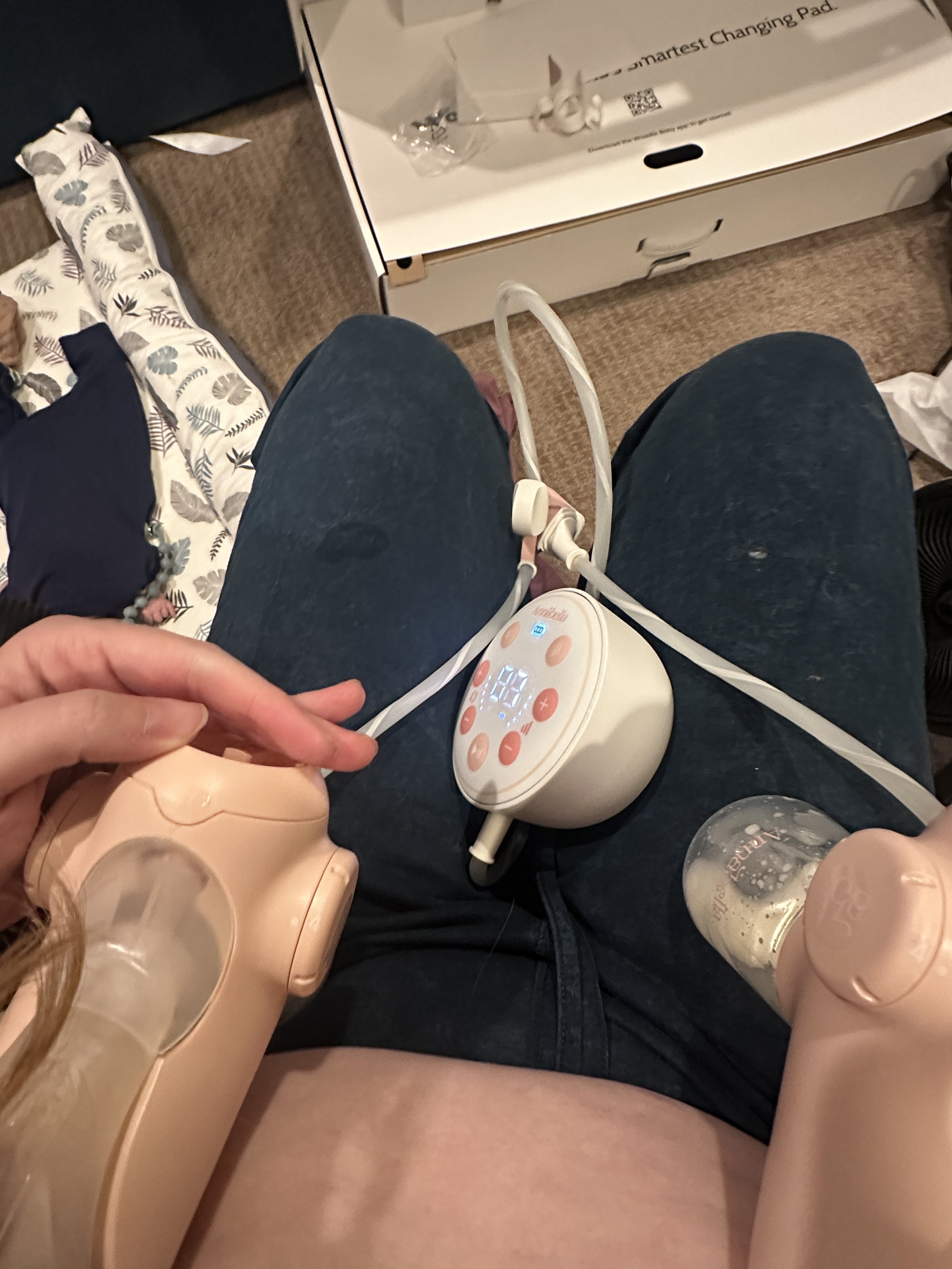
One thing to keep in mind is that even though the pump body is lightlight, the bottles with the flanges are anything but. This makes it a lot less convenient for using easily.
5. Comes With a Pumping Bra
Their bundle includes a hands-free bra designed specifically to hold the pump shields securely and align them correctly. This is helpful given the unique design. It doesn’t generally work well with other pumping bras.
Not sure what pump is best for you? Grab my FREE pump comparison guide + starter kit here!
My Personal Experience With the Annabella Pump
When I sat down to try the Annabella, I wasn’t sure what to expect. Because this pump is so different from anything else on the market, I went in with low expectations, but I was honestly curious about how it would go. After trying it many times and in comparison with other pumps, I’m shocked to say this:
This might be my favorite breast pump I’ve used.
I was expecting the roller to be overstimulating and uncomfortable and the experience to be weird, but my body responded well, I had no pain, and it honestly did feel a bit like nursing.
Here’s a few more thoughts:
It’s a little tricky to put together
The first time I assembled it, I actually did it wrong, and the pump wouldn’t work. Thankfully, the pump does have error codes, and that little alert was the only reason I realized something wasn’t aligned correctly. I looked it up online and was quickly about to troubleshoot the issue.
Once I reassembled it the right way, it worked fine, but the setup definitely isn’t as intuitive as regular pumps. Everything does have to be snapped in perfectly in place.
I’ve heard the motor may be rated around 250 hours
I haven’t personally confirmed this with the company, but several people have shared that the motor lifespan is about 250 hours, which is low compared to many full-size pumps.
If you plan to exclusively pump or pump long-term, this is something to keep in mind.
The flanges are heavy
I’ve already mentioned this, but the flanges and bottles are heavy.
That means:
Traditional pumping bras aren’t ideal for holding them
You end up hand-holding them for most of the session
Longer pumps feel tiring
Their included bra helps, but even then, these flanges add noticeable weight.
It looks a little cartoonish (according to my husband)
This made me laugh: when my husband saw the pump assembled, he said:
“This almost looks cartoonish… like something Peppa Pig might be using.”
He’s not wrong!
The comfort surprised me
Once my milk let down, the silicone and tongue mechanism felt gentle and natural. Much softer than traditional hard flanges, and no pinching or tugging.
I did find that I couldn’t comfortably go up past level 7, but that was adequate for me for my milk flow.
It was powerful
As I’ve tried different pumps, what I’ve found over and over is that many pumps just don’t have enough power - at least for me. That was not the case with the Annabella - the cycles felt fast enough and the suction was strong (but not overpowering).
My milk flow was better than expected
The combination of compression + suction gave me a faster let-down than usual, I almost immediatelry get a letdown when I’m pumping, even after I’ve nursed shortly before. I was really impressed with the sprays of milk I got compared to some of the other breast pumps I’ve been playing around with recently.
I pumped about an ounce in 5 minutes
The first time I tried this pump, I pumped shortly after I was done nursing, so I was impressed to see I was able to get that volume of milk in that period of time. When I’ve pumped other times, it’s been pretty similar.
My nipples didn’t feel sore afterward
Not gonna lie - when I saw what my nipples and areola looked like inside the flanges, I was worried that I was going to have some major vasospasms afterward (which I’m prone to). I was surprised to have no discomfort.
A few days ago, when I was nursing my baby, I had the thought, “I’m pretty sure how I’m imagining my nipple and areola looks in his mouth is what it looks like in the Anabella.”
Pros
Very gentle, soft pumping experience (for me)
Faster let-down for me compared to other pumps
Good milk flow early in the session
Independent left/right controls
Portable, quiet, and easy to take around
Built-in night light is genuinely helpful
Comes with a pumping bra
Cons
Trickier to assemble than a traditional pump
May be overstimulating for some moms
Heavy flanges = hard to use hands-free
Possible 250-hour motor lifespan (unconfirmed but widely mentioned)
Full price is expensive (it’s usually on sale for around $250, though, which is pretty mid-range as far as pumps go)
Flange sizing isn’t as straight forward
Requires choosing the right shield range upfront
Who the Annabella Pump Is Best For
This pump is a great fit if you:
fall within the shield size ranges
prefer a gentler, silicone-based pumping sensation
struggle with pain using traditional flanges
want a portable double pump with independent controls
enjoy tech-forward designs
It’s not ideal if you:
respond well to traditional suction
possibly have smaller nipples (though mine are very small and it worked fine)
want a lightweight flange
need a long-lasting motor
are on a tight budget
Final Thoughts: Is the Annabella Pump Worth It?
To my surprise, I loved the Annabella breast pump. The comfort and milk flow were the biggest positives for me. The design is completely different from standard pumps, and that’s part of why some people love it, and some don’t.
I honestly didn’t find it that complicated to use, especially compared to other pumps. The controls were very simple to use.
If you don’t respond well to “regular” pumps and are looking for something different, you may really like this pump. But if you need hands-free convenience, you are easily overstimulated by noise, or have a long motor lifespan, it may not be.
If you want help choosing a pump or figuring out which one best fits your body, be sure to book a visit with my team. We can help you figure out the best pumping journey for you!