Trying to Conceive Baby #4 Wasn’t What I Expected (My Experience Tracking Hormones with Inito)
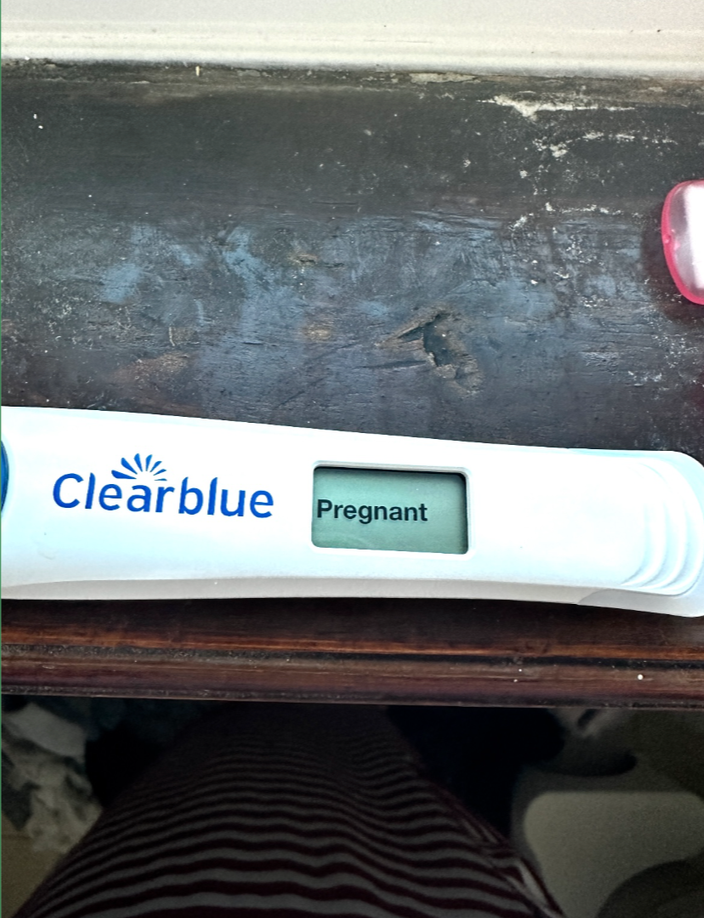
Getting pregnant with my fourth child was challenging. While we struggled a little bit with our third, nothing prepared me for what we went through trying to bring our little guy earthside.
When my third child was 2.5 years old, I felt ready to try for one more baby. I knew I had endometriosis, so I expected it might take a little longer - but I never anticipated the road ahead. I did get pregnant within about six months, but sadly, that pregnancy ended in an early loss.
Fast forward to 2025. After years of not getting pregnant and experiencing multiple miscarriages, our fourth son was finally born last November. There’s just a six-year gap between him and my youngest, which tells you a lot about how long and hard that journey was.
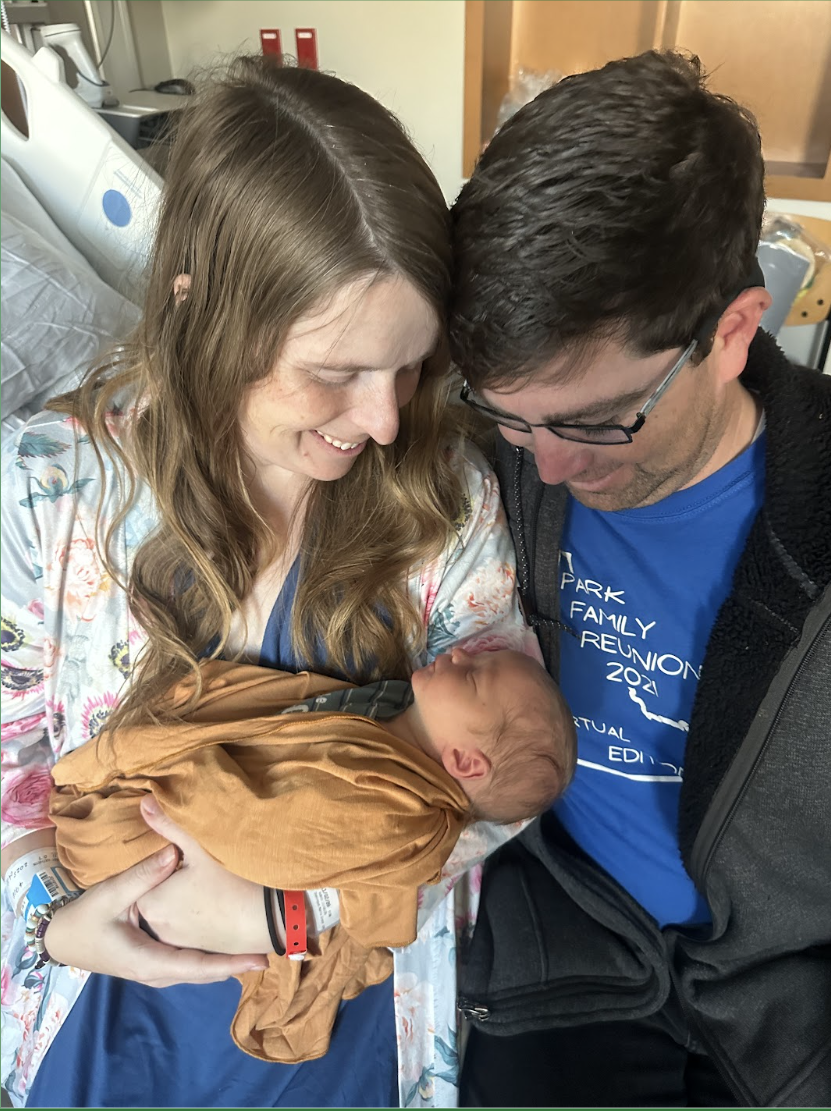
There were so many moments where I started to lose hope. But I can honestly say now that every bit of heartbreak over those years has been worth it.
And through all of it, I learned more about my body, fertility, ovulation and hormone tracking than I ever expected to. I’ve learned the impact that endometriosis and PCOS can have on pregnancy and conception, and it’s also been interesting to see how much more easily I conceived in my 20s vs my 30s.
I tried just about everything - tracking devices, supplements, medications, multiple healthcare providers, and even another surgery for endometriosis. Somewhere along the way, I realized that understanding my hormones and not just guessing them was one of the most important pieces of the puzzle. That shift changed everything for me.
I found myself going down a rabbit hole of research - exploring tools like LH strips, BBT, tracking devices like the Inito Fertility Monitor, to be able to understand what was actually happening in my body each cycle.
Thank you to Inito for sponsoring this post. I truly have used Inito for several years and am excited about the new monitor. Use the code THEBFMAMA15 for 15% off.
Why I Started Looking Deeper at Hormone Tracking
At first, I was doing what most people do.
LH strips. Cervical mucus tracking. BBT. Trying to “time things right.”
And while those tools can be helpful, I kept running into the same issue - I wasn’t entirely sure what my body was even doing.
I might see an LH surge… but was I actually ovulating? Was my body preparing properly beforehand?
Those were questions I couldn’t answer, and those questions kept getting bigger and bigger the more losses I had. I had always been told that miscarriages were because something was “wrong” with the baby, but I felt that there was likely a hormonal issue driving the recurrent losses. Because I have endometriosis (and have since found out PCOS as well), my hormones don’t always play nicely, and I believe that was playing a large part in what was going on.
We did hormone tracking through my medical providers, which gave some good insight. But that was often dependent on the time of day and tracking my cycle, which wasn’t always predictable, especially with PCOS and irregular cycles.
That’s when I started digging deeper on my own.
Over months of reading and researching, I started to realize that not every cycle actually leads to ovulation, which explained why I could be doing everything “right” and still not seeing the results I expected.
What I Tried (and What Was Missing)
Over the years, I tried a handful of different tracking methods.
LH strips + cervical mucus
These were my starting points. They’re simple and affordable, but they only give you a small piece of the picture. I often felt like I was still guessing if I had ovulated and was not totally sure what they were telling me.
The challenge with LH strips is that they only tell you about your LH spikes. You might see a surge - but you still don’t know if ovulation actually happened.
Cervical mucus tracking did prove to be beneficial. While there isn’t a lot of evidence behind supplements for improving cervical mucus, as I experimented with different options, I experienced a huge shift in the quality of my cervical mucus.
TempDrop
This is a great option for tracking temperature shifts easily. Tracking basal body temp is tricky with a regular thermometer, because you have to be so precise about when you do it. TempDrop was helpful because it didn’t require quite as much precision, and it did help me identify patterns in my body and recognize that I was ovulating often later than I expected. However, it often made me wonder what my levels actually were, especially as I saw shifts go up and down throughout the month.
kegg
I really wanted to like this one… but it just didn’t work for me. It felt confusing, hard to interpret, and didn’t give me clear direction. It kept giving me dates that were clearly not when I was ovulating, and it honestly would error out half the time.
That’s when the Inito Fertility Monitor came in. I had seen it online and was intrigued by its promise to provide your precise hormone levels in real time.
What Is the Inito Fertility Monitor and How Does It Work?
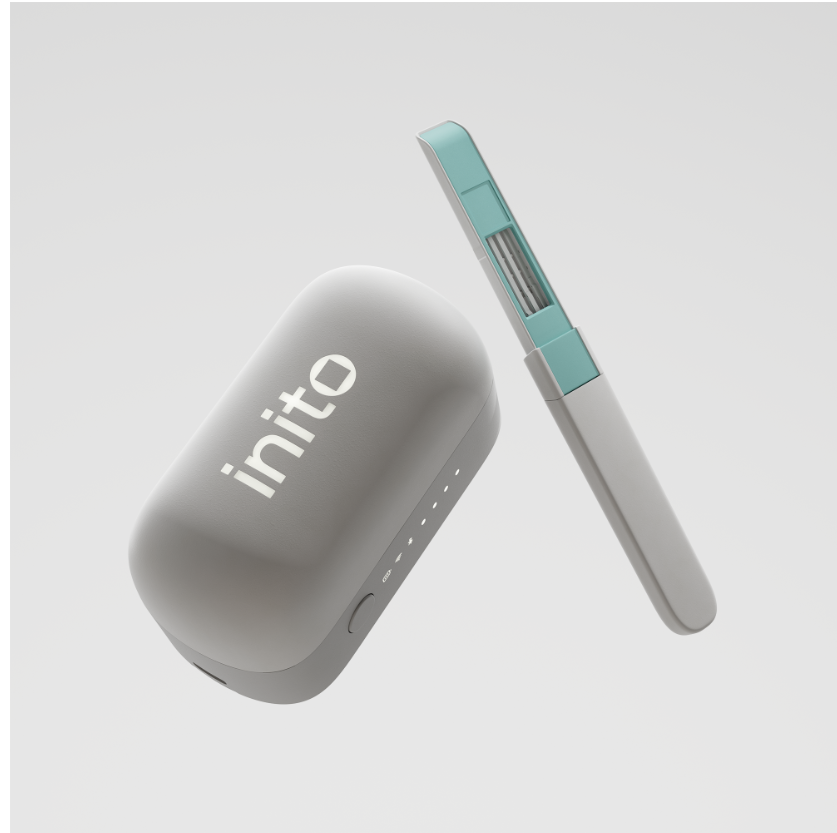
The Inito Fertility Monitor tracks four key fertility hormones at home, not just LH. And that’s what makes it so different. For those wondering how Inito works, it measures:
Estrogen (which rises before ovulation)
LH (which triggers ovulation)
PdG (which confirms ovulation happened)
FSH (which supports follicle development)
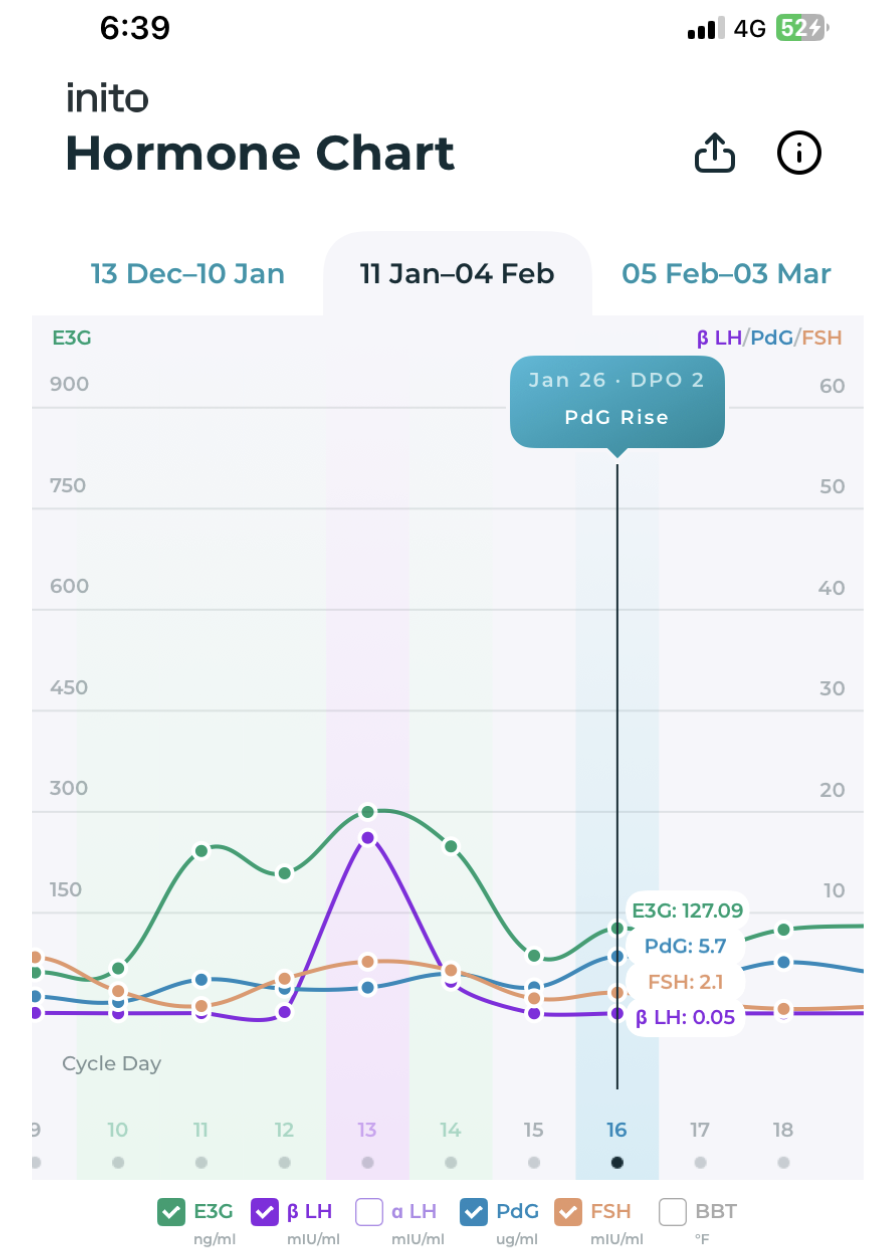
Tracking all four key fertility hormones gives a much clearer picture of your cycle than just LH alone, especially when you can see the precise data of your cycle.
Instead of just guessing when you might be ovulating, you can actually see:
When your fertile window is opening
When ovulation is approaching
And whether ovulation truly happened
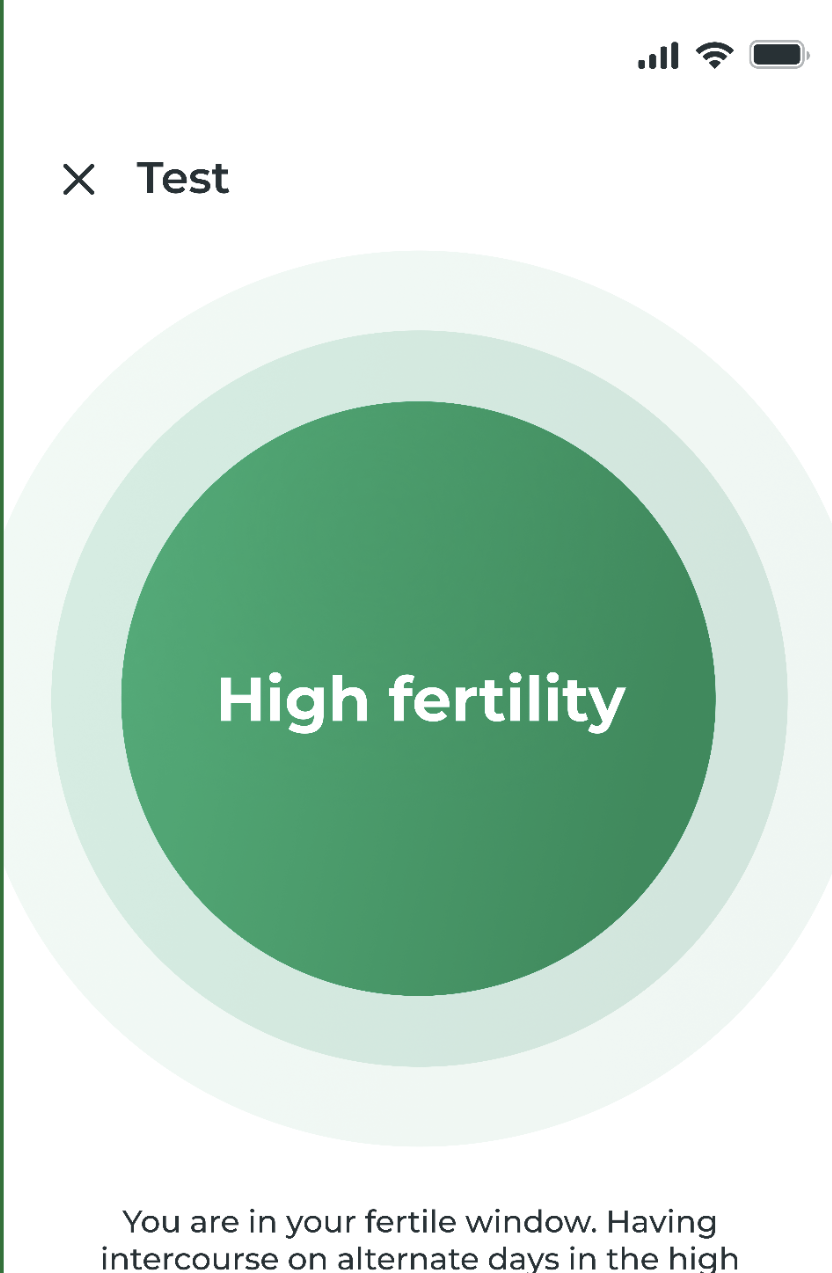
It identifies up to a 6-day fertile window, which is much broader (and more helpful) than relying on LH strips alone. The Inito chart also breaks this down in an easy-to-follow way, showing ‘High Fertility’, ‘Peak Fertility’, and confirming ovulation, which makes interpreting your cycle much more intuitive.
What I Learned About My Body Using the Inito Fertility Monitor
Using Inito was honestly one of the most eye-opening parts of my infertility journey.
The biggest thing I noticed? My PdG (urine metabolite of progesterone) didn’t rise after my LH surge. It took a while for it to rise. And by then, I would get my period, making my luteal phase shorter than 11 days.
This is something we’d suspected was happening from my symptoms, but having that kind of insight helped me ask better questions, advocate for myself more confidently, and understand what might be contributing to my losses.
While there are mixed opinions on using progesterone supplementation for my luteal phase, discussing this with my medical provider became an important part of my fertility plan.
If you’re curious about how ovulation is confirmed, this guide on PdG and ovulation confirmation explains it really well.
My Experience with Inito Fertility Monitor
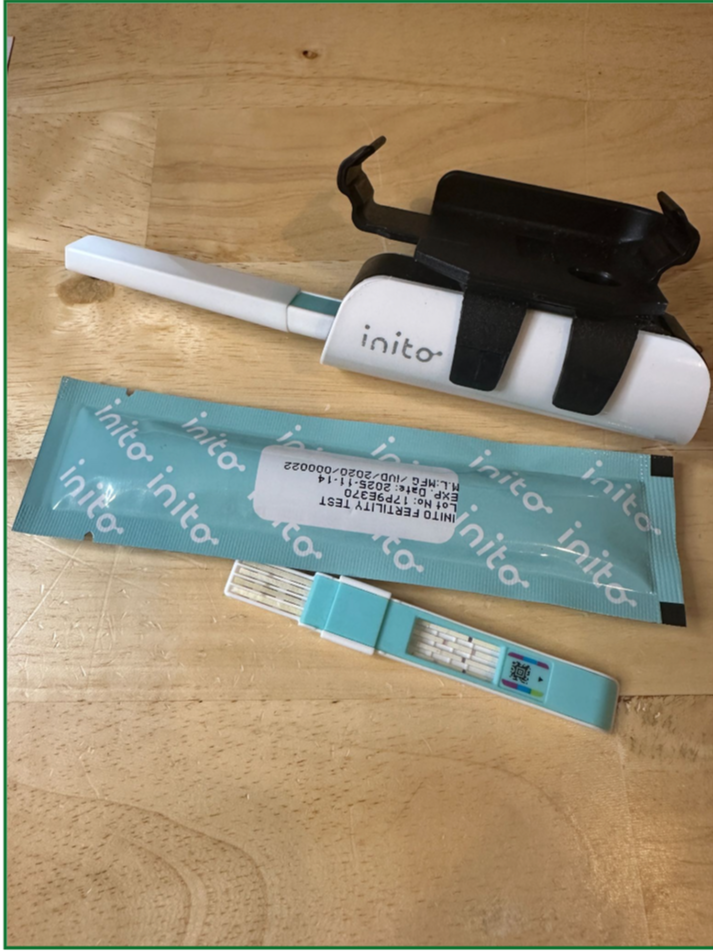
The information I got from my Inito Fertility Monitor was invaluable.I really valued the information Inito gave me.
But if I’m being completely honest, it wasn’t the most convenient to use.
The Inito Fertility Monitor required you to attach the reader to your phone and stay nearby during the test. It worked, but it felt a little clunky, especially in the middle of busy mornings, when I had kids running around, or I needed to use my phone.
The New InSight Wireless Reader™ (And Why It’s So Much Better to Use)
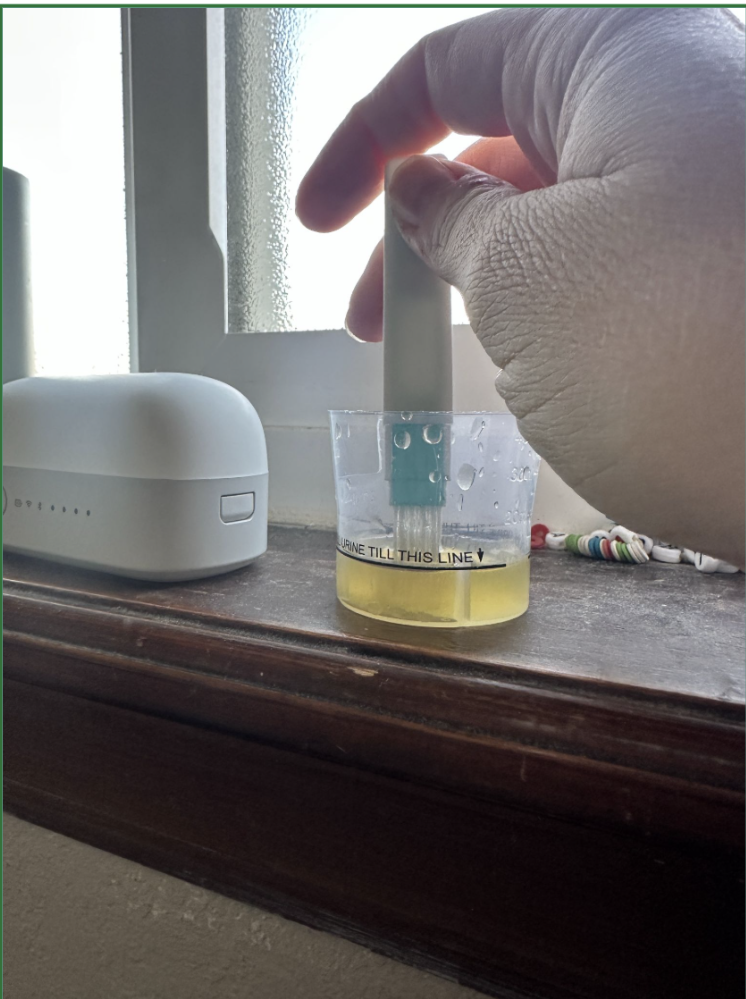
So when I heard about the InSight Wireless Reader™, I was so excited. It’s smaller, sleeker, and just easier to use overall.
Using the InSight Wireless Reader™ is super simple:
Dip the Fertility Strip in your urine
Open the app
Insert the Fertility Strip into the reader
Go about your morning
That’s all, it’s that easy to use. It connects via Wi-Fi and sends your results directly to the app. What I appreciated the most was how conveniently it fits into my mornings. I didn’t have to stay next to my phone or wait around. I could start a test and go about my morning - getting kids ready, making breakfast, heading out the door for a quick run. That small change made it much easier to stay consistent, which is honestly the hardest part with any kind of tracking.
The Inito App Experience
The app is where everything really comes together.
You can see:
Hormone trends across your cycle
Your fertile window
Ovulation confirmation
Personalized insights based on your patterns
Instead of guessing based on symptoms alone, you’re able to see actual hormone trends across your cycle. Inito wasn’t just showing numbers, but also helped me understand patterns over time, which made everything feel less confusing.
You can easily share your charts with a provider, which is something I personally found really valuable. If you’re new to reading your Inito hormone charts, this guide helps you understand how to read them.
Using Inito While Breastfeeding (Where I’m At Now)
Right now, I’m in a different phase. My baby is 4.5 months old, I’m breastfeeding, and I am definitely not trying to get pregnant.
So I’m not using Inito in the same structured way I was when I was actively trying to conceive.
But if you’ve been in this stage before, you know how unpredictable things can be.
Cycles can take a while to return, which is why tracking ovulation after pregnancy or while breastfeeding can be especially challenging. Ovulation can be inconsistent. And sometimes your body gears up to ovulate… and then doesn’t follow through.
That’s one of the reasons I’m actually really looking forward to using this again when my cycle comes back.
Because instead of guessing, I’ll be able to:
See when my body is preparing to ovulate
Catch ovulation even if it’s delayed or irregular
And confirm that ovulation actually happened
As a lactation consultant, I see so many moms in that in-between phase of “we’re not trying, but we’re not preventing either.” And, having this kind of insight during that time can be incredibly helpful to understand your hormones.
Why I’d Choose Inito Again
After trying multiple methods, what I kept coming back to was this:
If you’re only looking to predict ovulation, simpler tools might be enough. But if you want to understand why your cycle patterns and whether ovulation is actually occurring, Inito gave me a much more complete picture of what was going on.
I didn’t just want data, I wanted interpretation.
Inito helped me understand what my body was actually doing, not just what I hoped it was doing. And the InSight Wireless Reader™ makes that experience feel simple and doable, even in a busy season of life. So, if you ask me, is Inito worth it? Absolutely.
Pricing
The InSight Wireless Reader™ is priced at $169 and is currently available for less. You can use the code THEBFMAMA15 for 15% off. Keep in mind that there’s a recurring monthly cost for the strips per cycle.
Pros and Cons of InSight Wireless Reader
Pros
Tracks 4 key fertility hormones
Confirms ovulation (not just predicts it)
More convenient than the older version since I can start a test and go about my morning while it runs in the background
Easy-to-understand app
Works with both iOS and Android
Lab-grade accuracy
Cons
Requires consistency, but eventually becomes a part of the routine.
Slight learning curve at first
More involved than basic LH strips, especially when you’re just getting started
Ongoing cost of the strips
FAQs
How precise is the InSight Wireless Reader™?
The InSight Wireless Reader™ evaluates the full Fertility Strip rather than relying on a single test line. Using the patented technology called Inito Spectral Mapping™, it captures multiple data points from the strip to generate more consistent and precise hormone readings. This allows you to see clear, measurable hormone values instead of interpreting line intensity, making the results easier to understand and track over time.
Is Inito better than LH strips?
LH strips track a surge in one hormone, which can help predict ovulation. Inito tracks multiple hormones, including estrogen, LH, FSH, and PdG, which helps identify the full fertile window and confirm ovulation, providing a more complete picture. Since Inito uses Spectral Mapping technology to analyze the strips, it removes much of the ambiguity that can come with reading traditional ovulation strips. Instead of interpreting line intensity, you get clear, precise values that are easier to understand and track over time.
Can I use Inito if I have irregular cycles?
Yes, and it’s especially helpful for that. Not all cycles follow a textbook 28-day pattern - some may be longer, shorter, or vary from month to month. Because Inito tracks multiple hormones, it helps you identify when your body is actually preparing to ovulate, even if your cycle is irregular or unpredictable.
Why are my levels different from my blood test?
Inito measures hormone metabolites in urine, which naturally differ from hormone levels measured in blood at the same moment, so the values aren’t directly comparable. However, clinical studies show that it can identify the fertile window with about 95% precision compared to blood tests, while also confirming ovulation through PdG levels.
Can I share results with my doctor?
Yes. The app allows you to view and share your hormone charts easily, which can be helpful when discussing your cycle, ovulation patterns, or any concerns with your doctor. Having this kind of data can make those conversations more informed and productive.
Do I need to use the first morning urine?
That’s recommended for the best results.
Can Inito tell you if you’re pregnant?
Inito cannot be used to detect, track, or confirm a pregnancy. Inito is a fertility monitor used to track your fertile window and confirm ovulation.
Final Thoughts
My journey to getting pregnant with my fourth baby was emotional. It stretched and stressed me in so many ways.
But it also taught me how powerful it is to truly understand your body.
For me, Inito wasn’t just another fertility device - it was one of those products that helped me make sense of what was happening when everything felt uncertain.